

After running the ILI crack-detection tools through your pipelines, what’s next? Reports… Lots of reports!
In a typical multi-tool campaign, you can expect to receive:
- Field summary reports – summarising the ILI run (time, conditions etc).
- Data quality reports – Analysing the quality of the recorded data (reviewing tool velocity, magnetisation etc).
- Preliminary reports (PR) – a brief report summarising any serious features identified (to a pre-agreed reporting threshold).
- Final reports (FR) – a full summary of the features identified through the ILI run.
- Supplementary reports (SR) – Depending on what is specified or agreed with the ILI vendor (e.g. Actionable anomalies or expedited evaluation for a particular high-risk area).
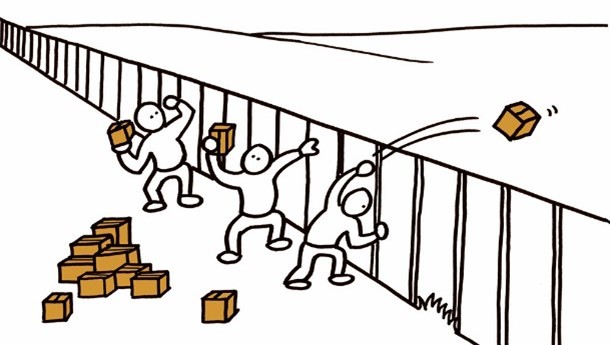
All of this is per ILI run, so when inspecting multiple pipelines with multiple inspection technologies, these reports are multiplied. In addition to this, the PR and FR are often delivered with feature listings which are excel documents detailing all of the features identified including sizing, and exact feature location.
These reports are generally standard templates with data pasted in, so they often lack key threat-specific information. For more advanced ILI technologies, such as crack detection, additional threat-related information will significantly assist the subsequent integrity management decision-making process. This is a key step in responding to an ILI as covered in current industry best practice for crack management, API 1176.
For example, which of the reported ‘crack-like’ signal groups most resemble the type of target cracking-morphology (either perceived or verified in the field)? Which less so? Which crack-like anomalies were located in close proximity with other known susceptibility drivers (e.g. corrosion, geometric deformations, associated with certain pipeline materials, or even in field bends when looking for SCC)?
Considering the cost of an ILI run, in our opinion, the results should be personal. The Pipeline Operator should always define any ‘bespoke’ reporting requirements prior to the inspection, but ensuring how these requirements have been realised in the reports and what they are actually telling us can be extremely time-consuming.
Definition and realisation of reporting requirements are key aspects of the verification process contained in API 1163 (associated with ensuring an ILI system has been selected, prepared and run in a manner that is capable of achieving the stated vendor performance specification).
Frontline Integrity have worked with customers who have run multi-tool campaigns in numerous pipeline sections in a short space of time. This resulted in the Pipeline Operator receiving over 50 separate reports related to the ILI. Finding the time to review all of these reports, making sure the relevant threat data has been integrated and truly understanding the picture that the report is painting, on top of additional day to day duties, is an extremely difficult task.
Having support from an independent company with expertise in the ILI technology, the data evaluation process and the pipeline-specific integrity threat will maximise the value of the results to your integrity management decision-making.
Some of Frontline Integrity’s considerations when looking at ILI reports are:
- Ensuring that the evaluation output ‘message’ is clear and that the impact of any potential analysis assumptions or limitations are clearly defined. Working with the ILI vendors to improve this clarity where required.
- That the output with respect to the expected integrity threats appears credible.
- Making sure that previous data has been integrated and leveraged as much as possible.
- Early identification of any critical-integrity management issues that the results may be indicating (prior to any formal Fitness for Service work).
- Performing audits of the results (making sure reports align with listings etc).
- Expedited defect assessment at PR and FR stage etc.
How can we help Operators and what value do the Frontline Integrity team add?
Services Offered
Added Value
Identifying and highlighting reporting issues, inconsistencies or ambiguities and managing their resolution with the ILI vendor.
Ensures all pipeline-specific reporting requirements have been integrated into the evaluation process.
Ensuring all upfront threat-related data and reporting requirements have been integrated.
Provides additional insight and can capture integrity issues early, reducing their impact.
Expedited summary and identification of integrity management implications.
Performing rapid Fitness for Service assessments for peace of mind on critical features.
Satisfies regulators that the results have been independently audited and any critical threats have been addressed quickly.
Get in touch today 😊


