Case Study

Hydrogen Induced Cracking Evaluation

Offshore Field 

Project:

Hydrogen Induced Cracking Evaluation

Overview

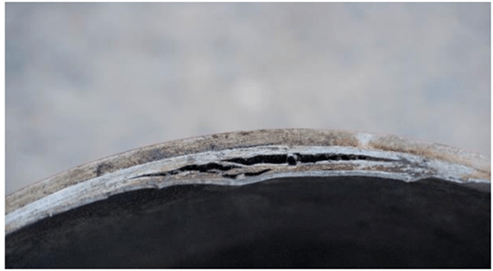
Hydrogen Induced Cracking (HIC) is the development of internal cracks in low strength steels in a sour environment (Hydrogen sulphide and water). HIC is a particularly challenging, time-dependent cracking mechanism from an integrity management perspective due its embrittling effect on carbon steel leading to reduction in material toughness and the unpredictable nature of its propagation.   

Location

Classified

Background

Reference:  M. Hay, “Hydrogen-Induced Cracking in Low Strength Steel, Revision 4,” Shell Canada Limited, 2004.

The study considered a large quantity of offshore pipelines across five fields. Over 50 of the multiphase production and gas-lift pipelines are in sour service and associated with a credible threat of HIC.

Frontline Integrity has extensive proven track-record of supporting operators to successfully manage pipelines with complex cracking threats. They were asked to undertake a per pipeline threat ranking and generate a pipeline integrity action plan to support risk management activities. No direct crack inspection of any of the lines had been undertaken to date, meaning that the threat had to be evaluated based on other available datasets.

The approach

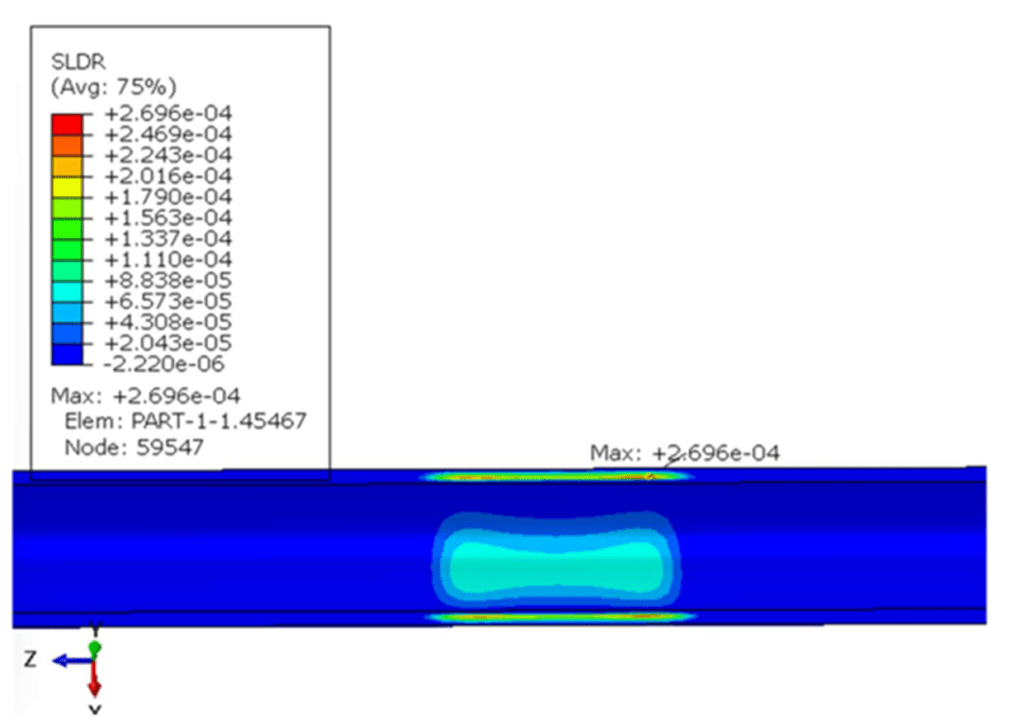
Four interrelated work areas were combined to feed into the threat assessment and action plan:

Results

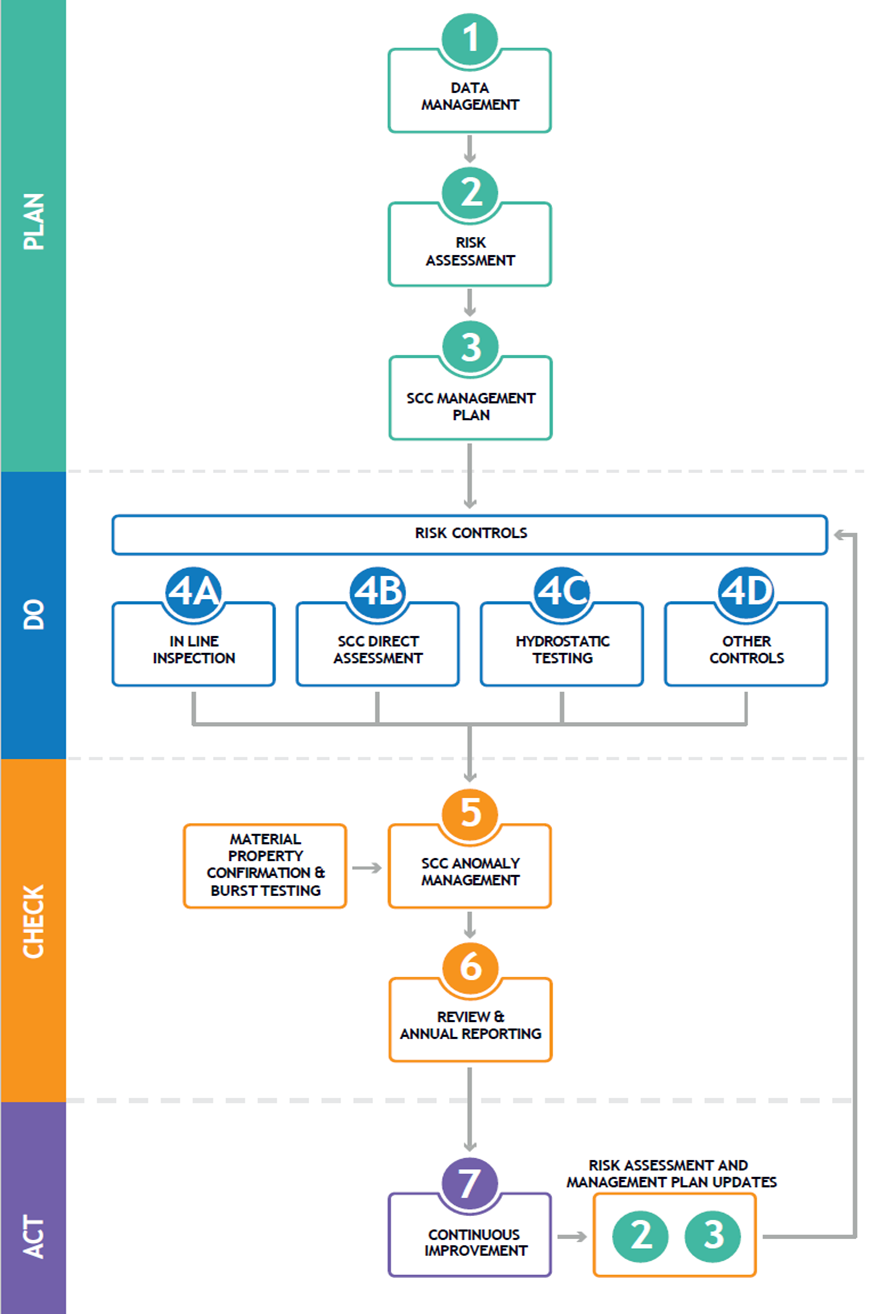
Frontline used its practical multi-disciplinary experience of HIC management to achieve a clear threat differentiation between pipelines.  An iterative risk-management plan was formulated for the highest risk pipelines and integrated into the operator’s risk-management plan for the pipelines. Its primary purpose was to address potentially ‘critical’ anomalies in high-susceptible pipelines as well as collect improved threat data to refine the model. Recommendations were implemented across the following key areas: