Client: Gas Transmission Operator
Project:
ILI Campaign Support
Overview
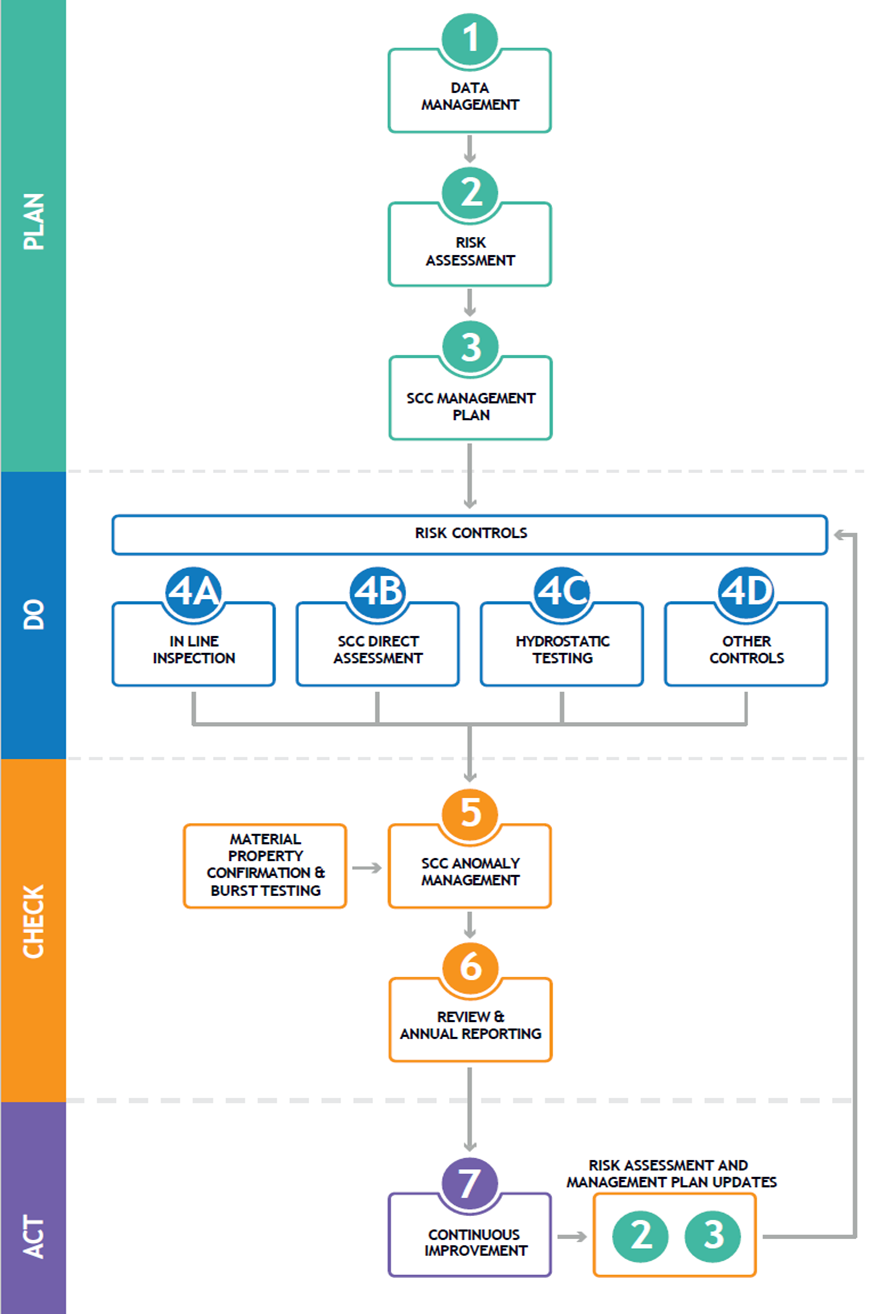
Stress Corrosion Cracking is a confirmed threat along a natural gas transmission system. This case study focuses on the support provided during a recent multi technology In-line inspection (ILI) tool campaign as part of an overall Stress Corrosion Cracking (SCC) management program.
The following inspection tools were scheduled for multiple pipelines: Magnetic Flux Leakage (MFL), Electromagnetic Acoustic Transducer (EMAT) & Mechanical Caliper / Eddy Current Proximity Sensors (XT) and Inertial Mapping (IMU).
Location
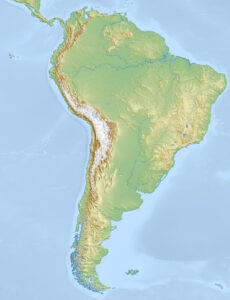
South America
Challenges Faced by the Customer
- The primary integrity threat required specific detailed data analysis and reporting. These requirements needed to be outlined and highlighted from the outset of the project.
- It was vital that any previous project knowledge was collated and incorporated into the project.
- The number of technical reporting deliverables to review (ILI and Integrity) was likely to be high and require significant resources.
- Specialist knowledge on crack detection technology and evaluation processes was needed to understand the data supplied and its limitations to support future risk management planning.
The operator requested assistance from Frontline Integrity to support with the challenges above.
The Approach
On behalf of the operator, Frontline Integrity managed the inspection vendor on behalf to:
- Ensure that all historical threat information was collated, fed into and utilized during the ILI data evaluation process. This would maximize the identification of active SCC from within the overall population of reported crack-like anomalies and therefore reduce the number of wasted digs.
- Leverage the maximum possible understanding of the threat, validate the credibility of the ILI results, and identify any associated sources of uncertainty that may introduce risk into subsequent integrity-management decision making activities. Frontline also provided an expert independent review of subsequent Fitness for Service assessments and integrity management plans produced by the inspection vendor that utilized the ILI data.
This involves the following key value-adding tasks:
Task
Value Added
Support the development of technical requirements to assist with tender documentation
Ensured the inspection system and data evaluation process were appropriately matched to the SCC threat that the operator was managing
Develop material & host upfront workshops with the operator and the inspection Vendor
Ensured existing threat-related knowledge is embedded into the ILI data evaluation process along with setting goals and expectations for the ILI evaluation process itself; in particular defining how multiple ILI datasets should be overlaid to maximize understanding of the threat
Host & prepare content for bi-weekly meetings with the operator and the inspection vendor
Maintained a close working relationship between all parties to manage expectations and reduce final approval process of documentation
Prepare monthly reports documenting concerns and issues faced
Allowed the operator to engage with the vendor to address minor issues or concerns prior to any potential major problems occurring
Identify sites to target for verification
Provided the operator with a clear plan to move forward to address the primary integrity threat along with assess the performance of the ILI
Provide formal comments on all reports delivered by the inspection vendor- documenting areas where data has been overlooked, mis-interpreted or incorrectly utilized
These comments initiated report revisions which resulted in the operator receiving final documentation maximizing the value that could be extracted from the ILIs performed.
Results
Over the one year campaign, the work undertaken by Frontline Integrity ensured that the ILI campaign was tuned to meet the operator’s integrity management objectives and provided confidence in how and where the ILI data could be used to support integrity management decision making. The adjacent graphic shows the number of documents that were developed and / or reviewed as part of the ILI campaign support.
The overall process supported efficient excavation planning and resulted in improvements in Probability of Identification (POI), Probability of Detection (POD) and Probability of Sizing (POS). The knowledge gained through the project also supported the development of an appropriate risk management plan.