Client: Onshore Gas Transmission operator
Project:
System Wide SCC Evaluation
Overview
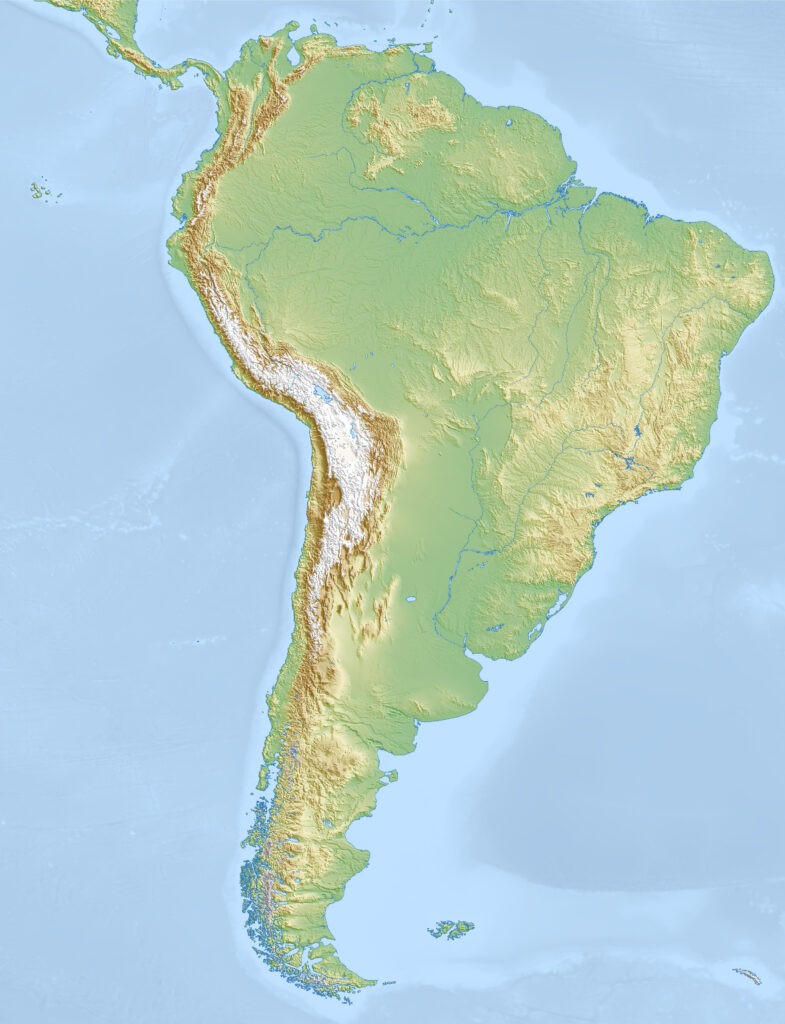
An operator owns and operates an extensive gas transmission pipeline network in South America. The system varies in age, material and operation. Stress Corrosion Cracking (SCC) has been identified as a credible threat along the network.
This case study focuses on the support provided to the operator to evaluate the threat of SCC along their system.
Location
South America
Challenges Faced By The Customer
- Large network size and material variability across a challenging terrain.
- Identification of pipelines with an elevated SCC threat level.
- Limited ILI or field information focused on the threat of cracking.
- No formal crack management procedure in place.
The operator requested assistance from Frontline Integrity to support the challenges listed above.
The Approach
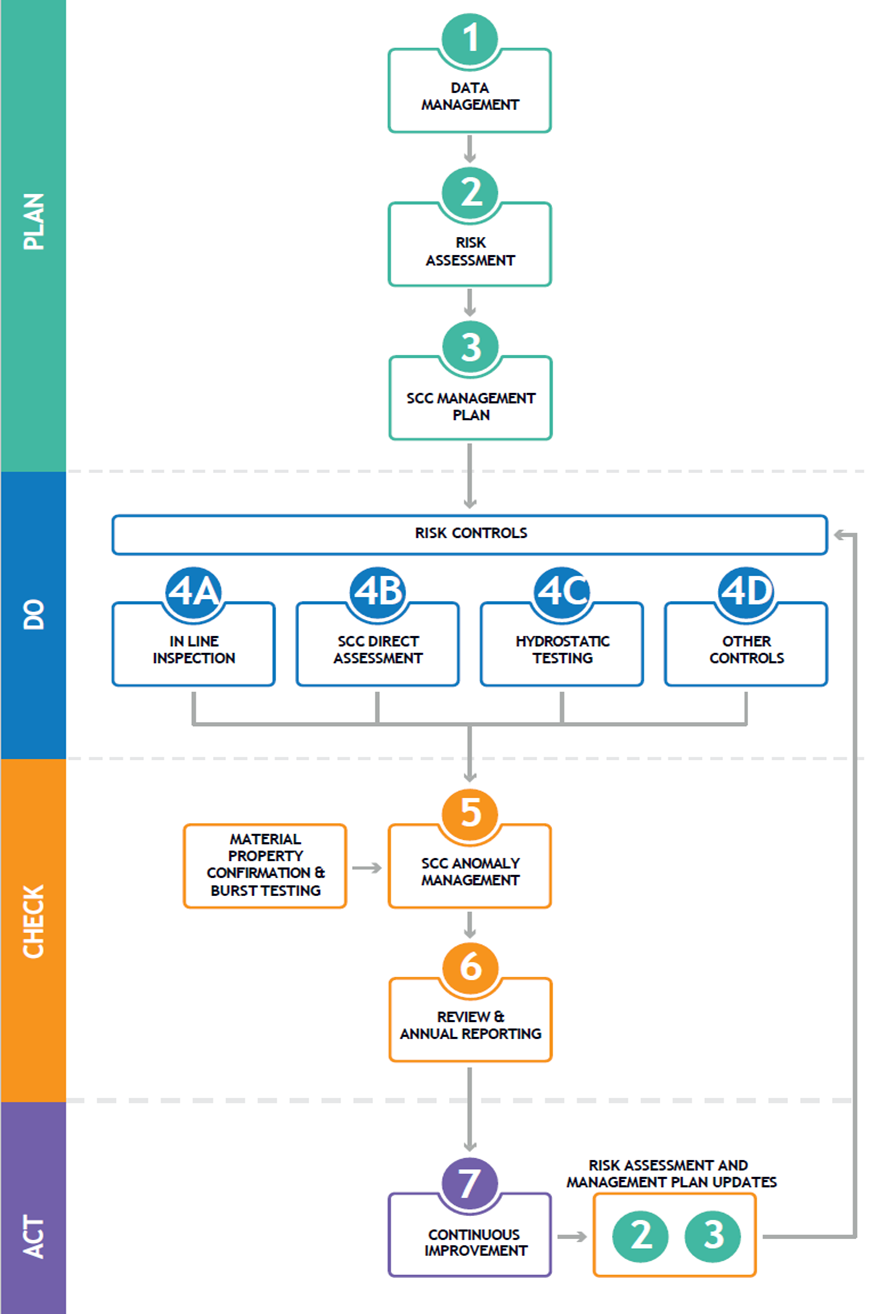
Frontline Integrity developed a framework to support the evaluation of axially orientated Stress Corrosion Cracking (SCC) along the onshore gas transmission network.
The framework consisted of six steps:
- Collect data
- Screen SCC
- Define Action Plan
- Execute Plan
- Evaluate Results
- Finalise SCC Management Strategy
The framework supported the operator to develop a targeted management program per pipeline considering SCC susceptibility and overall risk. Dependent on the risk level, the recommended actions would define the inspection requirements (e.g., do nothing, run crack detection ILI or perform SCC Direct assessment). Guidance on the inspection method and frequency was provided for each pipeline.
An example of the framework developed is shown below.
In addition to the framework, Additional supporting procedures (e.g. SCC Direct Assessment) were developed as part of the project.
Value Added
The framework is being used to support the operator’s evaluation of axial SCC along their entire network, allowing them to prioritise, plan and evaluate efficiently.